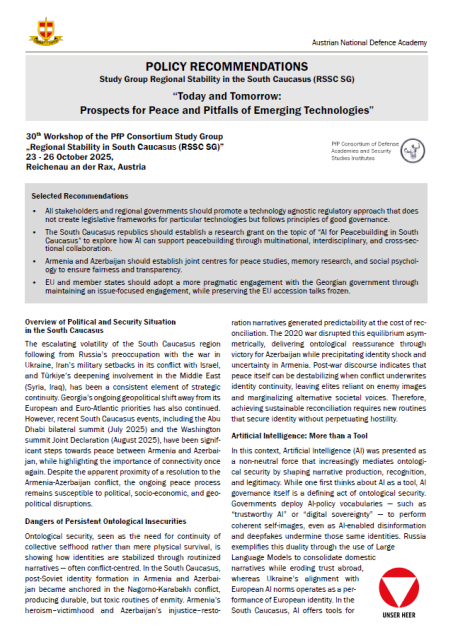

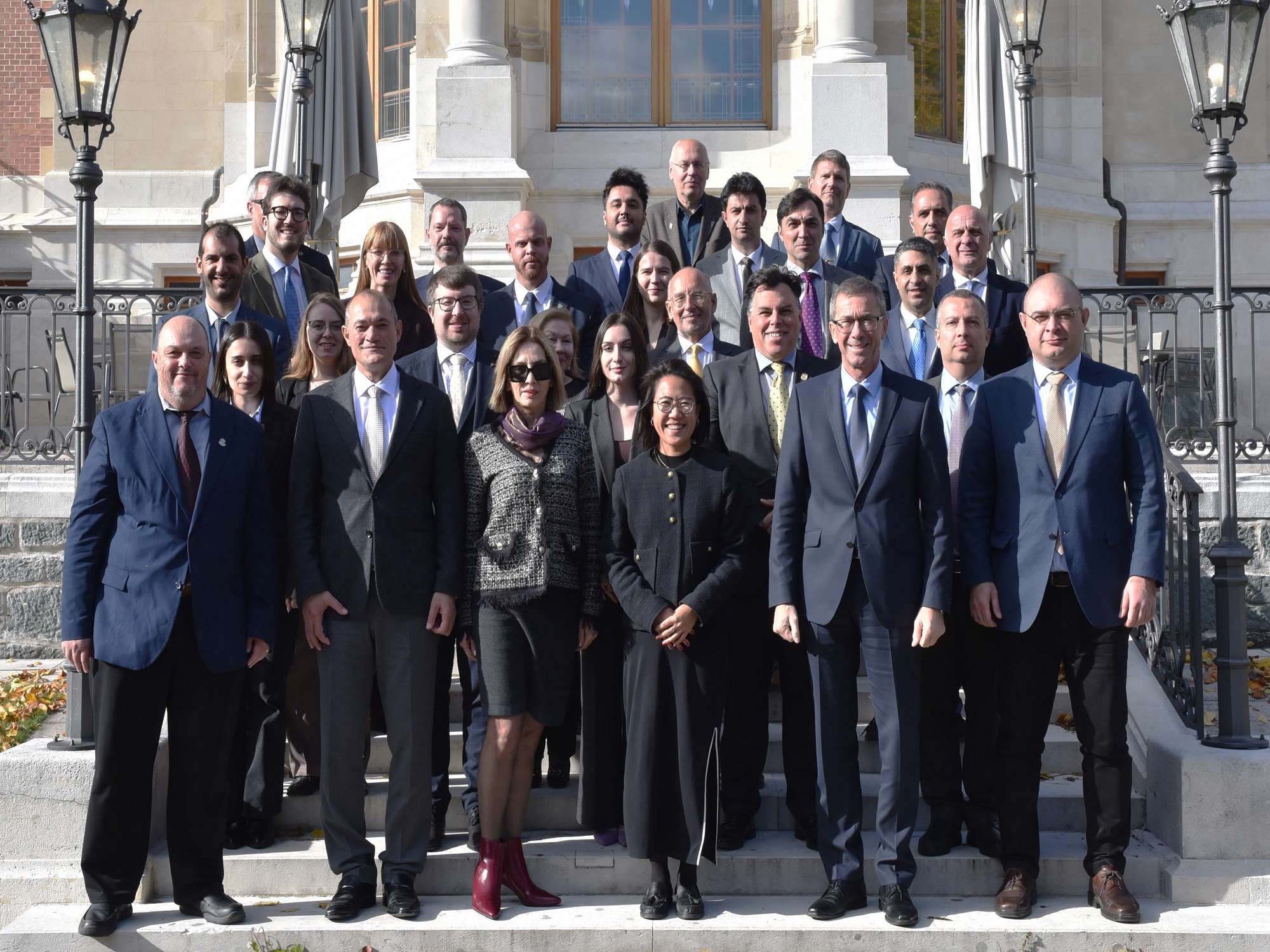
Reichenau an der Rax, Austria - The 30th workshop of the study group "Regional Stability in the South Caucasus" took place this year from October 23 to 26 at the Reichenau Seminar Center and was dedicated to the topic "Today and Tomorrow: Prospects for Peace and Pitfalls of Emerging Technologies". The event was organized by the National Defense Academy in cooperation with the Directorate-General for Defense Policy and the Partnership for Peace Consortium of Defense Academies and Security Studies Institutes. Numerous experts came to Reichenau/Rax to exchange views on current security policy developments in the South Caucasus in an open forum and to deepen confidence-building cooperation.
Objective of the Study Group
For more than ten years, the study group has provided a platform for international and interdisciplinary exchange with the aim of contributing to stability and peacekeeping in the South Caucasus. The experts, mostly from the South Caucasus itself, discussed current conflicts, crises and possible ways out. The open and protected framework provided by the Chatham House Rule allows for honest and respectful exchange for the development of constructive recommendations. The recommendations of previous workshops have already been taken into account in political processes, which underlines the relevance of the work of this study group.
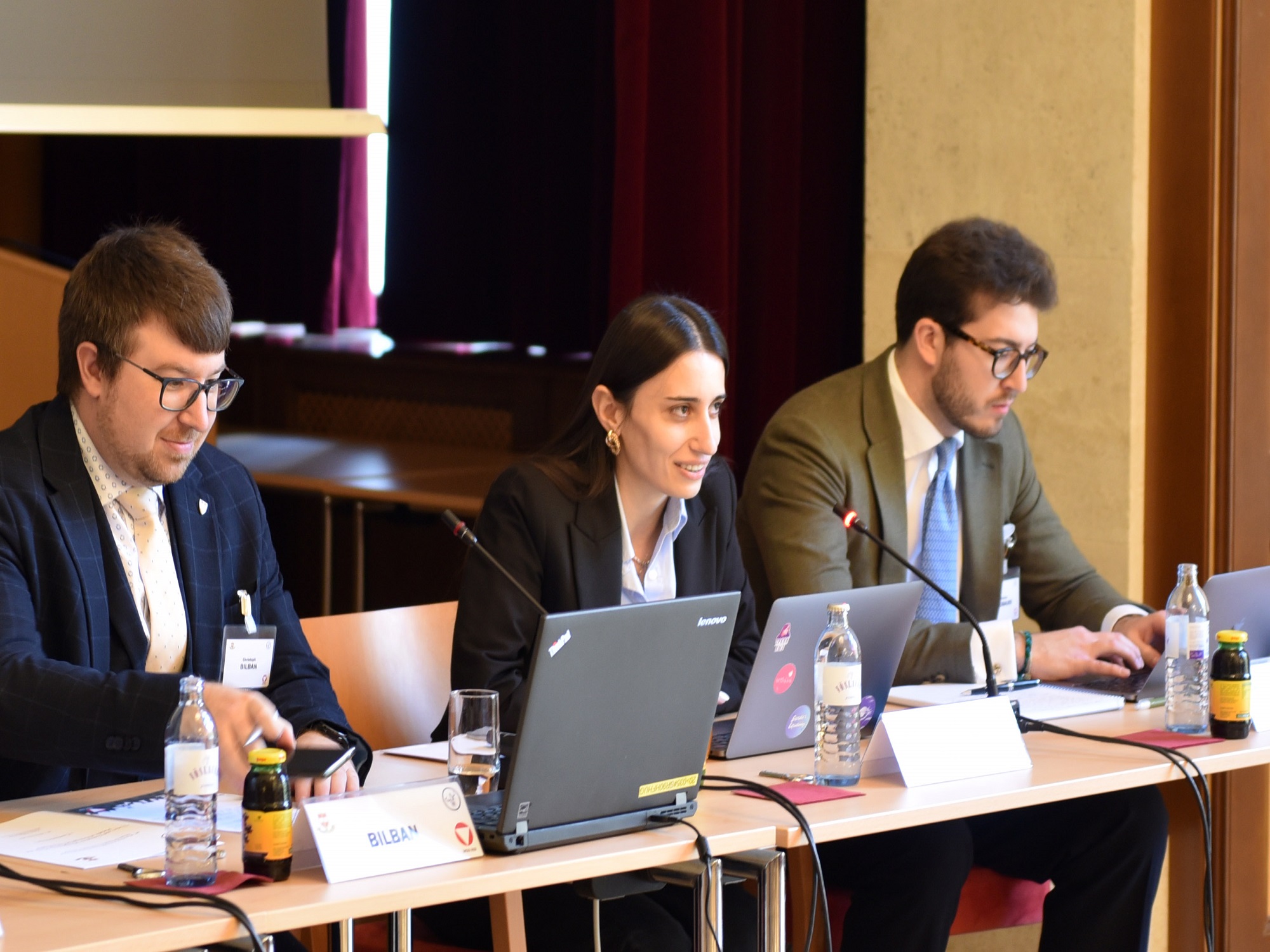
Main topic: AI as an opportunity and as a risk
Building on the results of the last meeting in Istanbul in April 2025, the workshop focused on the use of new technologies, in particular AI, to promote peace and stability in the South Caucasus. Both the opportunities for conflict resolution and regional cooperation, as well as the risks of a targeted, manipulative deployment were critically examined. In view of the current geopolitical changes caused by the peace treaty between Armenia and Azerbaijan, the study group devoted itself intensively to the possible effects on the regional security architecture. In lectures, plenary discussions and working groups on the topics of "Geopolitics & Connectivity" and "Cyber & AI", concrete solutions were developed – for example, to promote technological cooperation between the countries of the region and the role of AI in combating disinformation.
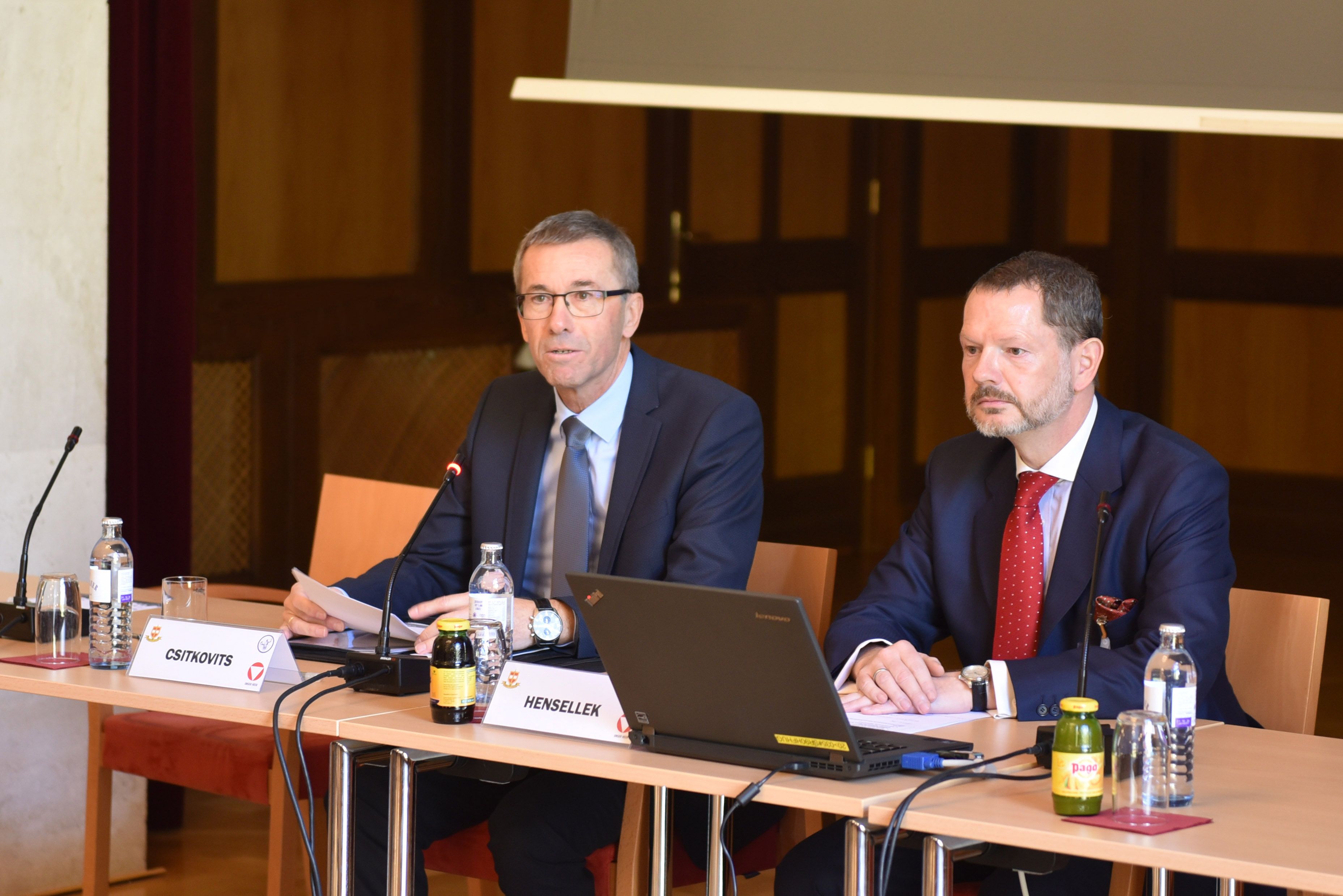
Recommendations
The topic-specific presentations provided a sound basis for the final development of the policy recommendations. The workshop thus once again provided an opportunity for interactive discussions that contribute to the promotion of regional cooperation and confidence-building between the South Caucasus states. The results of these discussions, which will be published by the National Defence Academy, can contribute as an important tool for conflict resolution and efforts to secure peace and stability in the region.
This article was originally posted in German by the Austrian National Defence Academy Website here.
Next News

Copenhagen, Denmark - Military education experts from across the Partnership for Peace Consortium gathered in Copenhagen from February 17–20, 2026, for the inaugural meeting of the Human Security in Operations Working Group (HSOWG).
Previous News

Istanbul, Türkiye - The Partnership for Peace Consortium’s Advanced Distributed Learning (ADL) Working Group convened in from 8–12 September 2025 in Istanbul, hosted by the Maritime Security Centre of Excellence and co-located with the NATO Training and Technology Conferenc