Connections
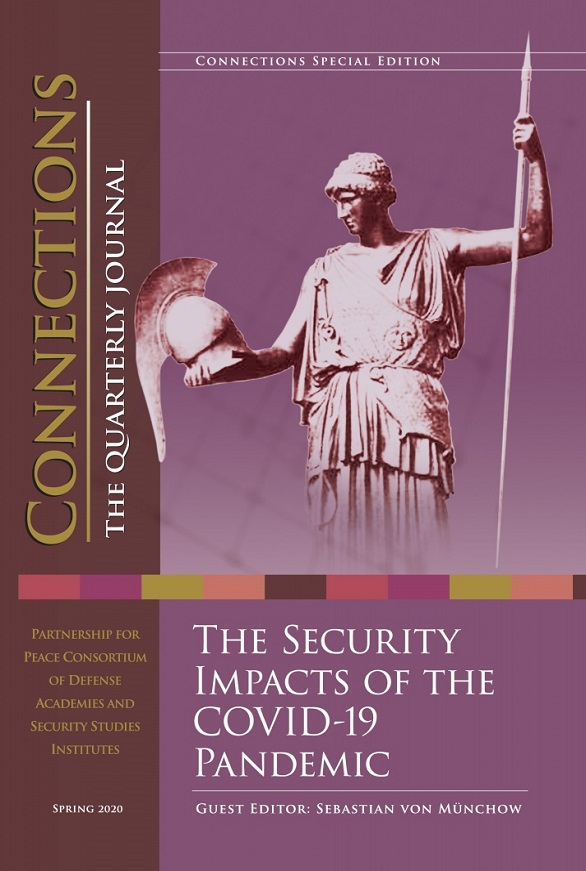
Covid-19 has spared no region of the world's Global South and Global North. For obvious reasons, countries in the Global South are especially hard hit. This includes MENA, as most of its countries and societies belong to the Global South. The outcomes of perennial poverty, authoritarianism, corruption, and other serious long-term deficiencies mean that this virus hit societies extremely ill-prepared to mobilize the tremendous efforts needed to counter not only the immediate but also the immense future challenges. As long-term governance deficiencies and the new challenges emanating from COVID-19 are mutually reinforcing each other, finding and implementing sustainable solutions for the future becomes even more difficult - and more urgently needed. This prospect cannot remain without implications for the whole Mediterranean region - and for Europe. European-MENA partnerships are more needed than ever. In order to be effective, these partnerships need to include many new stakeholders; they need to be based on trust and on the principle that responsibility for regional, national, and especially for human security has to be shared.
Previous Issue
 The Summer 2017 issue of Connections presents original research in the role of strategic communication, or StratCom, in shaping the image of a security sector organization with examples from the experience of the US and Ukraine, lessons learned from the decades long conflict in Western Sahara, and the interplay of NATO and Russia's interests in the...
Read More
The Summer 2017 issue of Connections presents original research in the role of strategic communication, or StratCom, in shaping the image of a security sector organization with examples from the experience of the US and Ukraine, lessons learned from the decades long conflict in Western Sahara, and the interplay of NATO and Russia's interests in the...
Read More