Connections
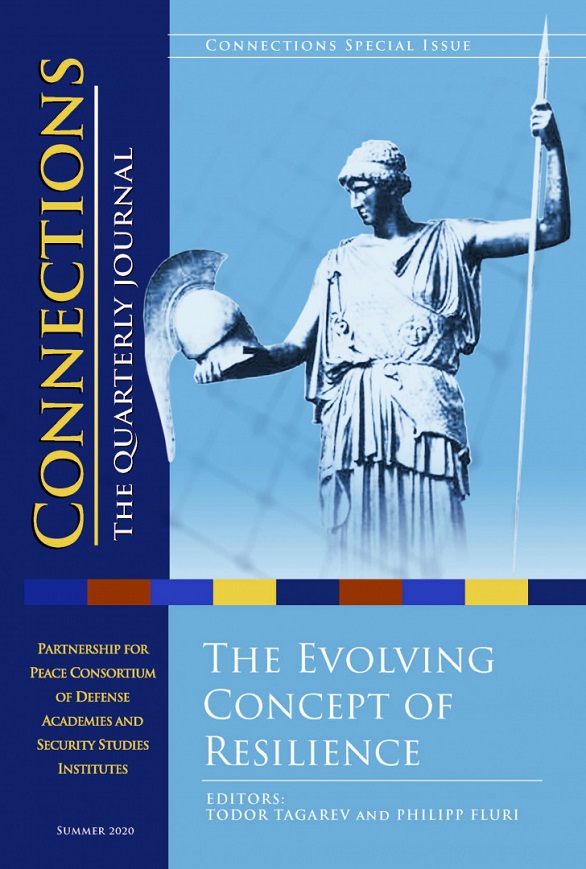
The concept of resilience is evolving to reflect various changes in climate, socio-economy, technology, etc. This article analyzes areas affecting resilience by reviewing the policy change of flood risk management, particularly soft measures, in Japan. Japan has coped with natural disasters throughout its history and succeeded in reducing flood damage. In particular, the government had invested in the infrastructure of flood protection at the level of 1 % of the National Income for the last half-century and thus became able to protect major cities from flooding by major rivers. While major rivers are well protected, risk areas adjacent to small rivers and hill areas remain exposed to repeated flooding. Since the 2000s, the country is expanding soft measures, such as hazard mapping, early warning, and promoting evacuation to protect people’s lives. The article examines the evolving processes of soft measures by reviewing the revision of flood-fighting law. It was found that the concept of resilience in soft measures is evolving according to various changes, such as financial constrain, decreasing investment in infrastructure, aging population, urbanization, technology development, and climate. Based on lessons from the evolving concept of resilience, the author recommends that developing countries should implement soft measures considering various changes in socioeconomic and natural conditions and invest in infrastructure.
Previous Issue
 The Summer 2017 issue of Connections presents original research in the role of strategic communication, or StratCom, in shaping the image of a security sector organization with examples from the experience of the US and Ukraine, lessons learned from the decades long conflict in Western Sahara, and the interplay of NATO and Russia's interests in the...
Read More
The Summer 2017 issue of Connections presents original research in the role of strategic communication, or StratCom, in shaping the image of a security sector organization with examples from the experience of the US and Ukraine, lessons learned from the decades long conflict in Western Sahara, and the interplay of NATO and Russia's interests in the...
Read More